

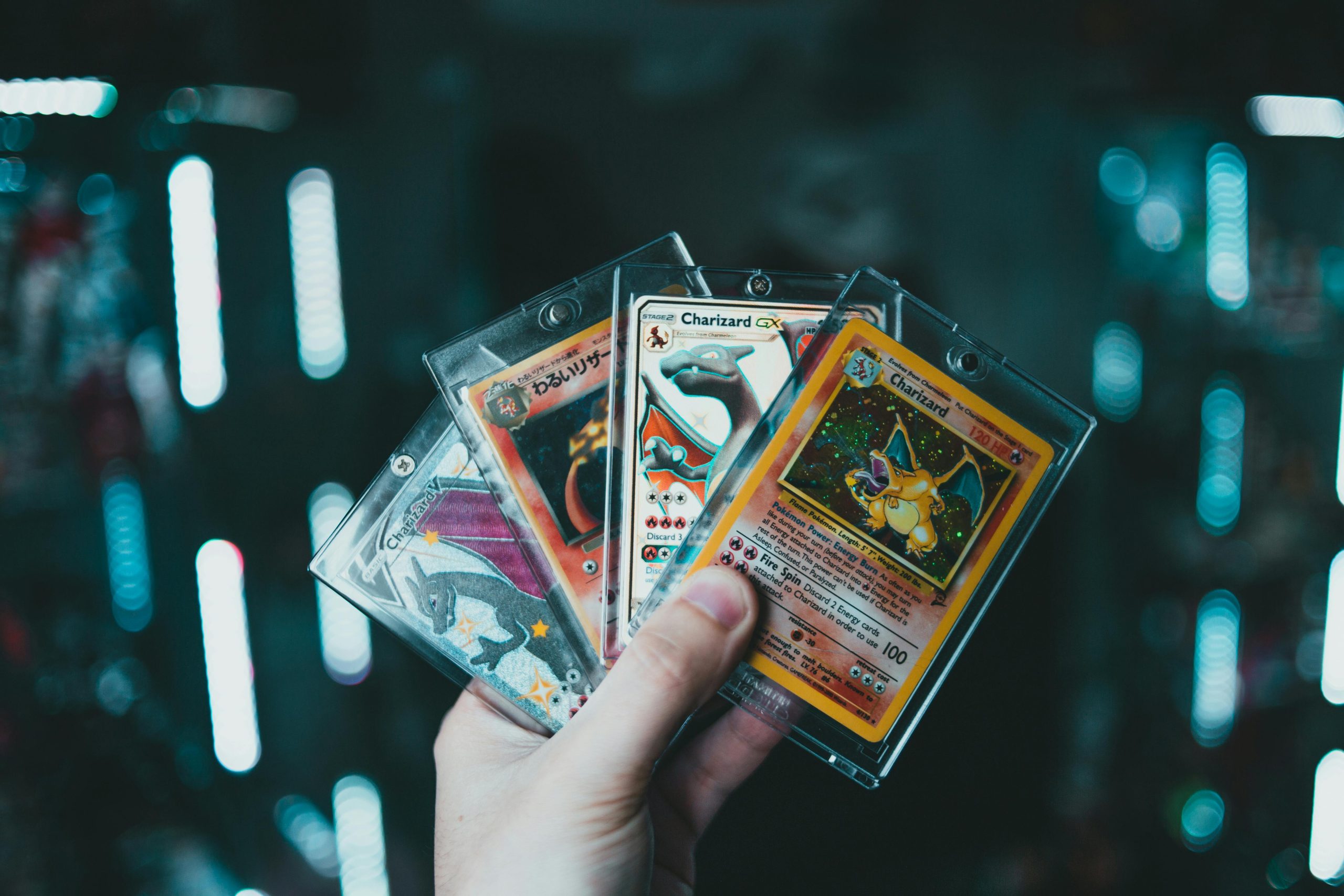
While many look at a holographic Charizard and see a piece of cardboard, millions of collectors in 2026 see something much more complex: a blend of high-stakes investment, cognitive development, and community. The Trading Card Game (TCG) phenomenon has evolved far beyond the schoolyard, with the global market projected to hit a staggering $58 billion by 2030. This surge is driven by a unique “nostalgia economy” where original fans now have the disposable income to chase the “grails” they couldn’t afford as children, creating a market where a single rare card can outperform traditional stocks.
The financial allure is backed by incredible numbers. Data from TCGplayer and PriceCharting in early 2026 shows that “chase cards”—the rarest pulls from new sets like Mega Evolution—Ascended Heroes—can see price spikes of 50% to 100% within their first month of release. Professional grading has become the gold standard for this “alternative investment,” where a card’s value can jump 5 to 10 times simply by receiving a “Gem Mint” rating from services like PSA. For many, the hobby has turned into a sophisticated “side hustle,” with savvy collectors flipping sealed booster boxes that historically appreciate between 150% and 250% over an 18-month period.
However, the benefits aren’t purely financial; there is a deep psychological “reward circuit” at play. Research published in the Journal of Psychosocial Nursing and Mental Health Services indicates that the act of playing and collecting TCGs can significantly lower cortisol levels. The strategic nature of the game—calculating odds, managing resources, and predicting an opponent’s move—acts as a workout for the brain’s executive functions. Unlike digital gaming, the physical nature of trading cards provides a “tactile satisfaction” that improves focus and offers a much-needed break from screen fatigue.
Beyond the individual, Trading Card Game are rebuilding social “third places” that were lost in the digital age. Local game stores have seen a massive revival, acting as community hubs where players from different generations connect. Studies from Emerald Publishing highlight that these nerd culture communities foster a powerful sense of belonging, which is a key protector against loneliness. Whether you are hunting for a 30th-anniversary Pikachu or mastering a competitive deck for a regional tournament, you aren’t just engaging in a hobby; you are participating in a global ecosystem that rewards patience, strategy, and social connection.