

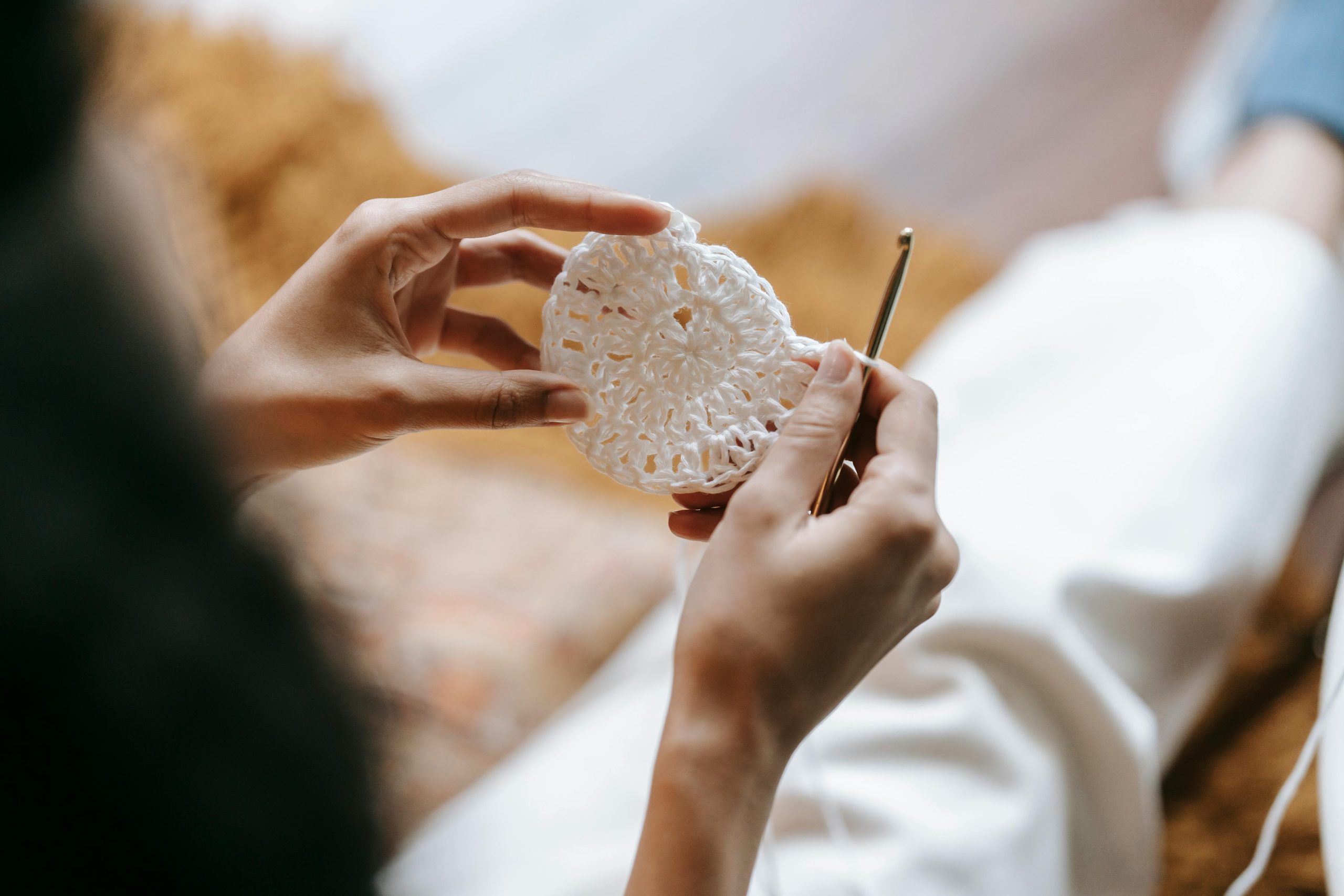
Modern life has become a relentless cycle of digital pings and screen glare, leading many to seek refuge in the slow, tactile world of our ancestors. What was once dismissed as “old-fashioned” is now being rebranded as a survival tactic for mental longevity. Recent data suggests that the surge in “Grandmillennial” activities like knitting and gardening is a calculated physiological response to a world that never stops moving.
The biological impact of these hobbies is staggering, particularly when looking at the “flow state” induced by repetitive motion. A landmark study published in the British Journal of Occupational Therapy, which surveyed over 3,500 knitters, found that a massive 81% of respondents reported feeling significantly happier and more relaxed after a session. This isn’t just a mood swing; researchers from the Mayo Clinic have noted that such activities can reduce cortisol levels by up to 25%, effectively acting as a natural reset button for the nervous system.
The benefits extend deep into the soil of our own backyards as well. Science has identified a specific soil bacterium known as Mycobacterium vaccae which triggers the release of serotonin in the human brain. According to research led by Dr. Christopher Lowry at the University of Colorado Boulder, this “dirt antidepressant” explains why 77% of active gardeners in recent surveys reported mental clarity that surpassed the effects of traditional exercise. It turns out that gardening isn’t just about the plants; it’s about a chemical exchange that regulates our mood and circadian rhythms.
Furthermore, the cognitive “shield” provided by these hobbies is becoming a focal point for longevity experts. A study featured in the Journal of Neuropsychiatry suggests that engaging in complex, hands-on tasks—such as sourdough baking or sewing—forces the brain to utilize both hemispheres simultaneously. This bi-hemispheric stimulation is credited with building a “cognitive reserve” that can extend brain health by several years. By choosing a needle and thread or a bag of flour over a smartphone, we aren’t just passing time; we are adopting a lifestyle that, according to longitudinal data from Blue Zones research, mirrors the habits of the world’s longest-living populations.